Domestic Tuition Rates Available for Eligible International Students.
*Available for select intakes in programs of 6 months or less. Learn more
Fashion Design

FASHION DESIGN – Full Time
This program has been approved by the Private Training Institutions Regulatory Unit (PTIRU) of the Ministry of Post-Secondary Education & Future Skills.
Design Dreams, Meet the Runway.
Fast forward your fashion future. Get runway ready in one year with our cutting edge Fashion Design Program, and gain the skills to become a world-class design professional. Train with award-winning industry experts at a globally renowned college. Join the ranks of our prestigious Fashion Design alumni who are shaping the fashion world today.
Within our walls you’ll find a caring community that values creativity and nurtures confidence. You’ll meet industry insiders and expert professionals who will guide you, mentor you, and set you up for success. Whether you dream of running your own line or working in a luxury fashion house, our intensive one-year program can open the door to unlimited possibilities in the local, national and international industry.
This is how fashion futures are born. This is where passions become creative careers. Join us on a journey into the heart of Fashion, and see where your design dreams take you.
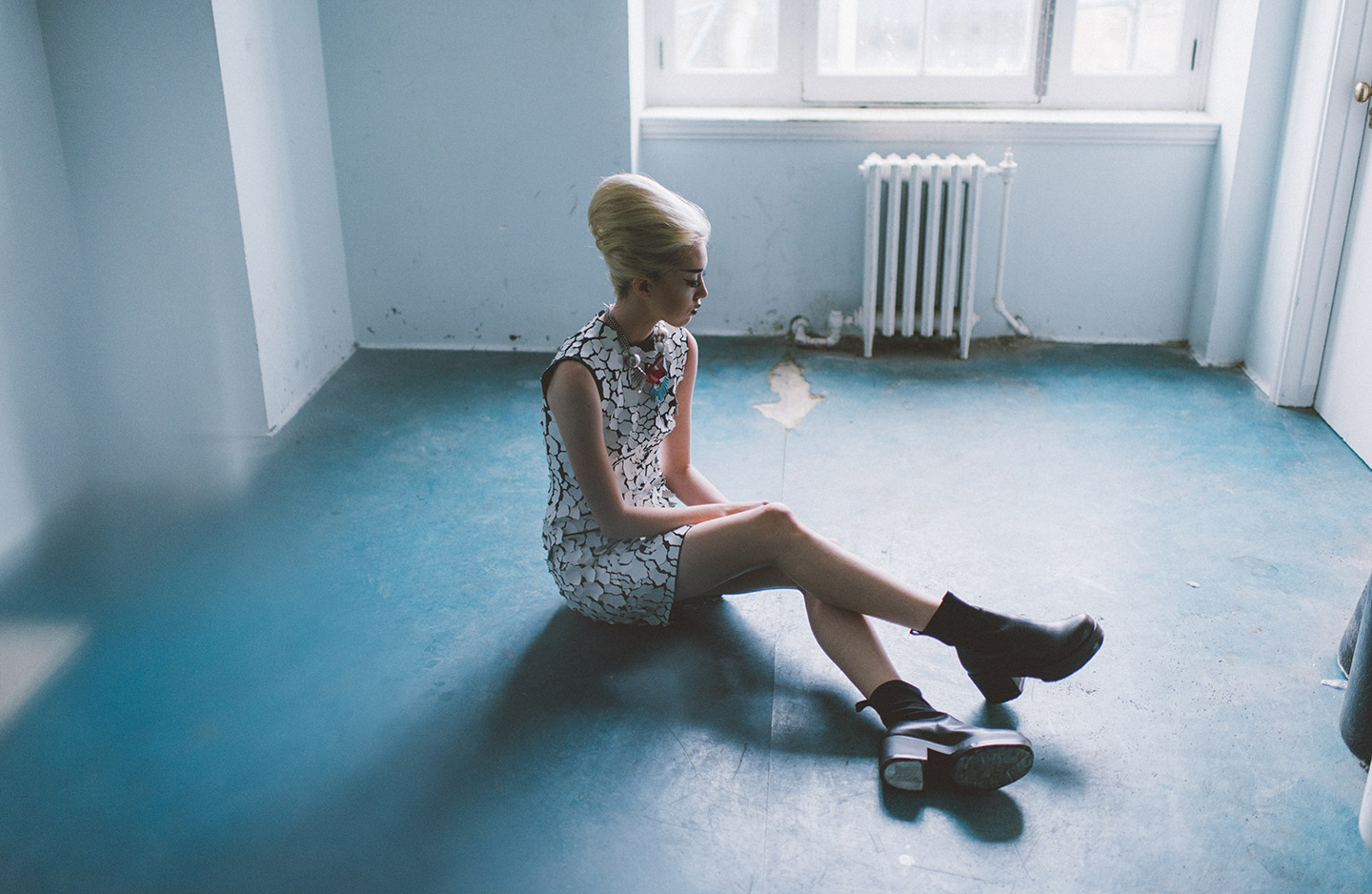
Fashion Design Magazine, Graduate Collections + Vancouver Fashion Week Awards
[dearpdf id=”19554″][/dearpdf]
Program Overview
Over twelve life-changing months, our industry-forward curriculum and award-winning instructors will equip you with the tools, techniques and confidence to design fashion in the professional realm. Join us on a step-by-step journey of the design world that will inspire, empower and prepare you for a rewarding career in fashion. Learn the business inside out and immerse yourself in the thrilling, challenging, messy and infinitely rewarding creative process. Find your unique fashion voice and craft your very own design collection as you take your ideas from pencil and paper to pattern and muslin and, finally, to the runway.
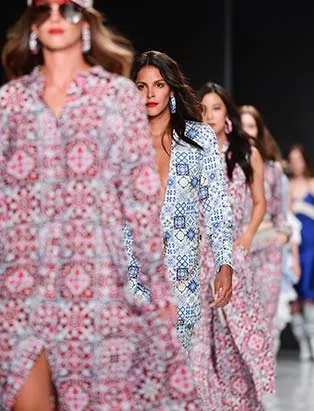
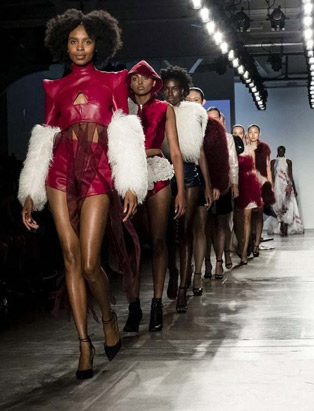
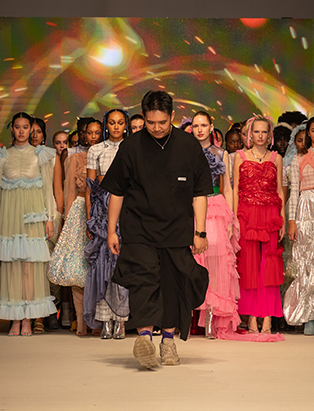
At the culmination of a year of intense creative tour de force, your design vision will be unveiled at the Graduate Fashion Show. Under the spotlights of Vancouver’s premiere venues, publicists, event planners, models, hair stylists and makeup artists come together to create one of the most anticipated events of the year. Media professionals and industry insiders join friends, family and faculty to celebrate your glorious debut. This is your inauguration into the professional world of Fashion Design.
With no fashion stone left unturned, our program equips you with the most comprehensive design education possible, so that you’re suited and booted to face any and every design challenge once you take the fashion world by storm. Once you begin down this road, there’s no limit where to you can go.
Please note: Industrial and domestic sewing machines are provided at the college for classroom use. In order to complete assignments, projects and collections, you should have access to a personal sewing machine and possess basic sewing skills before enrolment.
Program Structure and Hours
The one-year Fashion Design program is divided into four semesters. This comprehensive program is comprised of 22 subjects for a total of 63 credits. All subjects must be successfully completed in order to receive a diploma.
Program Schedule
Fashion Design students attend six classes per week. Classes are scheduled on a three day per week basis, for a total of 24 hours per week. Class schedules run M-T-W or W-Th-F.
The college reserves the right to change course offerings, course content, kit contents, facilities, faculty, tuition fees, and course schedules without notice.
Fashion Design Brochure
| ARTT 410 | Art & Technology |
| RES 240 | Career Preparation |
| FDES 110 | Design Collections I |
| FDES 210 | Design Collections II |
| FASA 150 | Fashion Awareness I |
| FASA 250 | Fashion Awareness II |
| FELM 350 | Fashion Elements |
| FASA 100 | Fashion History |
| FILL 110 | Fashion Illustration I |
| FILL 210 | Fashion Illustration II |
| FILL 310 | Fashion Illustration III |
| FPRO 350 | Fashion Promotion and Marketing |
| CONS 100 | Garment Construction I |
| CONS 200 | Garment Construction II |
| CONS 300 | Garment Construction III |
| CONS 400 | Garment Construction IV |
| MANU 305 | Introduction to Manufacturing |
| PATT 100 | Pattern Making I |
| PATT 200 | Pattern Making II |
| PATT 300 | Pattern Making III |
| PATT 400 | Pattern Making IV |
| PORT 405 | Portfolio Presentation |
| SEW 115 | Sewing Labs |
| TEXT 120 | Textiles & Fabrics |
ART & TECHNOLOGY
Fashion meets the digital age in our state-of-the-art Mac computer labs as you transform your ideas into illustrations using the latest design software. Create professional-quality technical flats, spec flats and floats, produce vector illustrations, utilize fills and layers, and become confident with line, shape, pen, reflect and stroke tools. Use digital colouring, selections, extractions and masks to edit and enhance fashion illustrations and mood boards. Develop portfolio layouts, design promotional materials and learn to create and manage your own website.
CAREER PREPARATION
Image goes beyond the clothes you wear. Polish your professional style by developing your skills in business communications, networking and public speaking. We’ll identify your marketable and employment skills and explore fashion careers based on your working style, life goals and interests. Learn how to create a Fashion Industry résumé, write a standout cover letter, approach and communicate with prospective employers, and conduct a winning interview.
DESIGN COLLECTIONS I
Every design house needs a solid foundation. Learn the fundamental elements, processes and principles of design: from season, colour and fabric to sizing, trend forecasting and technical flats. Discover how to approach design problems with creative and functional solutions, and hone your critical eye through self-analysis and self-assessment. We will discuss target markets and how to cater to the needs of both the client and the industry while adhering to professional deadlines. Learn how to give and receive direction as you develop your individual voice as a designer.
DESIGN COLLECTIONS II
Time to get creative and think technical as you explore the themes, ideas and influences that will inspire your first seasonal collection. Research, develop and document your vision from initial ideas to fabric, colour, sizing and flats. How will your concepts fare in the trend cycle? How will your construction and material choices factor into the expectations of the industry and the demands of your market? Establish, evolve and strengthen your design voice, creating a fashion formula that is ready to be realized in your Pattern Making and Garment Construction courses.
FASHION AWARENESS I
Discover Fashion’s most iconic and influential moments and game-changers: from Poiret’s liberating waistlines at the turn of the century to the post-war indulgence of Dior’s New Look and the rebellious 60’s hemlines of Quant. Examining film clips, rare visuals and garments from our archives, we will explore each era from the Edwardian period to the 1970s, and designers from Vionnet, Chanel and McCardell to Yves Saint Laurent and Courreges. Develop your knowledge of design’s most prominent periods and personalities, and their enduring influence on contemporary fashion.
FASHION AWARENESS II
Take a virtual journey to the global epicentres of fashion – New York, Paris, Milan, Tokyo and London – and meet the modern masters and influencers of contemporary couture. From the Day-Glo graffiti of Stephen Sprouse and the intellectual design of Issey Miyake to present day Marc Jacobs, Vivienne Westwood, Sonia Rykiel and Gareth Pugh, we explore fashion’s rising stars and subversive rebels. Learn to recognize the signature traits and techniques of each house as you discover their stories through lectures, multimedia visuals and videos.
Note: Fashion Awareness I is not a prerequisite for Fashion Awareness II.
FASHION ELEMENTS
Learn the language of Fashion. Whether you are presenting a portfolio of work, selling on the retail floor, buying, or writing commentary on a collection, the ability to communicate in the correct terminology is fundamental. From the sweeping line of a silhouette to the intricacies of garment detail, you will learn how to properly identify and critique elements of design and garment construction. Become fashion fluent as you expand your vocabulary, enhance your communication skills and explore the origin of ethnic elements in today’s Fashion.
FASHION HISTORY
How does geography, culture and history shape fashion? How does historical fashion influence our current fashion trends? To answer these questions we’ll explore millennia of fashion history: from the Middle Ages of the 11th to 14th centuries to the Renaissance era; and from the fascinating Tudor and Elizabethan to the Baroque, Rococo and Empire periods to the first part of the 19th century. Understanding the past helps us to make sense of the present, and predict what may happen in the future. Our historical survey, illuminated through period film, slides and visuals, will help us understand how and why fashion evolves – the first step to successful trend forecasting.
FASHION ILLUSTRATION
Fashion illustrations are the first visual manifestations of your inner design vision – and your initial communication with the world of buyers, manufacturers and consumers. In our three-part course we will explore this fundamental form of expression. Gain confidence in a variety of drawing techniques, media and styles, and develop a signature on-page personality. Strengthen your visual message for use in your portfolio, seasonal storyboard presentations, magazine commissions, and promotional materials.
FASHION ILLUSTRATION I
Fashion is art. Let your inner artist emerge as you study classic proportions and then develop the fashion figure in your own signature style. Learn how to incorporate a variety of drawing methods into your illustrations using different media, including gouache, pen, ink, pencil and charcoal. Explore the curves and shadows of the body in our live model drawing sessions, and examine the standards of technical flats and industry spec sheet illustration.
FASHION ILLUSTRATION II
Immerse yourself in the beautiful language of colour. Evolve your reference dossier by developing your own colour file book, exploring subtractive colour theory with gouache, observing the dynamics that occur between hues, and learning how to create neutrals, tints and tones. Add texture to the initial stages of your professional portfolio by learning to render specific fabric compositions and styles: from denim to herringbone, pinstripes and slub.
Pre-requisite: Fashion Illustration I
FASHION ILLUSTRATION III
Your exploration of illustration culminates in polished, professional, and ultimately presentable Fashion imagery. Take your concept from Design Collections II and bring it to life in an entire line of illustrations and storyboards. Explore iconic and innovative illustrators of the past to ignite your inspiration as you develop your rendering and layout skills and refine your unique illustration style.
Pre-requisite: Fashion Illustration II
FASHION PROMOTION & MARKETING
Standing out in the fashion crowd is no easy feat – even for a great designer. Discover how to market yourself and communicate your brand with powerful promotional tools. You’ll learn how to create an eye-catching portfolio, run a successful advertising campaign and produce a standout press kit. We’ll walk through each step of organizing, coordinating and promoting a professional fashion show – from the selection of models, garments, accessories and venue to staging, lighting and styling. Find out how to harness the impact of a fashion event as a marketing tool and target specific markets and segments.
GARMENT CONSTRUCTION I, II, III & IV
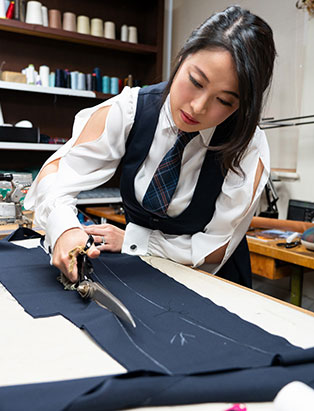
Your graduate collection will take on form in this four-part, hands-on-fabric exploration of industrial and couture garment construction techniques. From seam line basics to the intricate architecture of bonework, we will lay the foundation of successful design realization. Develop the construction techniques to craft pieces that will command any catwalk. This is the culmination of your concept, from idea to wearable design, ready for the runway at our Graduate Fashion Show.
Note: Industrial and domestic sewing machines are provided at the college for classroom use. In order to complete assignments, projects and collections, students should have basic sewing skills and must have access to a sewing machine at home.
GARMENT CONSTRUCTION I
Become familiar with our industrial sewing machines through a hands-on exploration of industrial and couture construction techniques. Work your way through seams, corners, darts, zippers, pockets and waistbands, ultimately producing a reference book of samples and sewing techniques.
GARMENT CONSTRUCTION II
Build upon the foundation of Part I and evolve your reference sample books by mastering a variety of fabric manipulations. Your newly acquired techniques will be put to the test as you construct a fully lined, tailored jacket.
Prerequisite: Garment Construction I
GARMENT CONSTRUCTION III
Cinch in and master your knowledge of garment construction techniques, engineering a boned bodice bustier with lace onset. Diving into swim apparel, you will create an original swimsuit designed from patterns drafted in your Pattern Making III course. As you further refine your skills you will construct the first garment of your design collection.
Prerequisite: Garment Construction I & II
GARMENT CONSTRUCTION IV
Analyze, construct, perfect and sew. Using your newly acquired knowledge and skills, you will fully realize three looks to be unveiled at the Graduate Fashion Show. Analyze each design and fabric to determine the necessary construction methods, create a muslin prototype of each design, fit and adjust the pattern, and construct each garment to runway perfection. You will achieve all of this according to industry standards, within a professional deadline – a major leap in your design journey.
Prerequisite: Garment Construction I,II & III
INTRODUCTION TO MANUFACTURING
Head behind the seams to discover the contemporary fashion manufacturing industry. Follow the journey of a line of merchandise through each stage of production, from concept, design and factory planning to quality control, costing and colour story creation. You will have the exclusive opportunity to throw open the doors and explore the floors of our local Garment District on class field trips. Apply your knowledge and creativity to conceive and pitch your very own collection storyboard.
PATTERN MAKING I, II, III & IV
Patterns are the blueprints of fashion. They allow us to transform our creative ideas into wearable garments, and replicate our designs in a range of shapes and sizes. In this critical stage, body, space, and fabric meet in a dialogue of design. Inform the shape of your visions in this four-part Pattern Making course as you analyze and solve design problems, practice and refine your pattern drafting technique, and transfer your sketched concepts onto a framework that can be realized in tangible form.
PATTERN MAKING I
Draft a bodice, skirt, pant, dress, and sleeve blocks to be used later in more advanced courses. Learn how to take accurate body measurements, and use them to draft and manipulate individual blocks for a variety of skirts, bodices, sleeves and collars.
PATTERN MAKING II
Learn how to draft patterns for jacket lining and interfacing, as well as kick pleats and pockets. Study pattern interpretations from original sketches with an emphasis on accuracy of line and proportion. Discover the secrets of successful draping.
Prerequisite: Pattern Making I
PATTERN MAKING III
Draft a given design and a pant of your own making in a standard size, transferring it onto muslin for fittings and adjustments. Continue to refine your techniques as you draft a swimsuit and the first garment to be included in your Graduate Collection.
Prerequisite: Pattern Making I & II
PATTERN MAKING IV
In this final leg of your pattern making journey you will complete all of your graduate collection patterns. After constructing a prototype for each individual garment, you will perfect and produce a pattern in final form, ready to be brought to life in your Garment Construction classes.
Prerequisite: Pattern Making I,II & III
PORTFOLIO PRESENTATION
A distinctive, organized and visually compelling portfolio can be your single most important promotional tool. Learn how to design an industry-ready portfolio that highlights your personal strengths and abilities and showcases your creative and technical talents. We’ll explore essential portfolio elements including garment mix and style variation, flat drawings, layout, fabric rendering, and how to design for a specific target market. Our experienced instructors will help you refine your portfolio to ensure your layout has maximum visual allure and industry impact.
SEWING LABS
Polish, complete and continue to grow in our Lab hours, dispersed throughout your program to allow you to work independently on your Garment Construction or Pattern Making projects, finish samples, and refine your Graduate Collection. Or, maybe you just want to further familiarize yourself with our broad range of machinery! This is your time to catch up, serge ahead and develop your confidence and skills in our sewing labs.
TEXTILES
Textiles are the fabric of fashion design – literally. Whether you are caring for product on the retail floor, making decisions about the construction of a garment, or describing the weave of a distinctive runway piece, a strong knowledge of textiles is invaluable. In this in-depth study we explore the world of fibers and fabrics, from their identifying characteristics to their production and uses. Develop a fabric swatchbook and take your fashion knowledge to a molecular level as we delve into fibre processing, fabric construction, yarn types, colour processing, finishes and labelling laws.
BASIC SEWING*
Whether you’re an outright beginner or need to brush up on your skills, our optional, supplementary Basic Sewing course can help make your transition into our Fashion Design program smooth as silk. We’ll bring you up to speed on primary sewing techniques, in the same sewing lab where your graduate collection designs will later take shape. Over five sessions, boost confidence in your sewing skills as you get comfortable with domestic and industrial sewing machines. Learn the basics of drafting patterns and construct a skirt, working through slash pockets, mock flies and curved waistbands.
*This is an optional course and not a program requirement.
A selection of Blanche Macdonald Fashion Design graduates and their career placements.
Aimee Grane, Knitwear Designer, Chloe Angus
Alesha Frederickson, Knitwear Owner/Designer, March & August (designs and constructs bags, accessories and clothing from recycled plastics)
Alison Mogg, Wardrobe Assistant, Claudia Daponte / Taylor Ramsay
Annika Forde, Line Lead, Lululemon Athletica
Brenda Holmes, Senior Designer, Lululemon Athletica
Brianne Thompson, Visual Merchandising, Guess
Catherine Chan, Sales Associate, Topshop
Chanel Gagnon, Stylist Assistant, Arc’teryx
Chantelle Pellerin, Graphics & Clothing Designer, Cocymela Yoga Wear
Ching-Lin Lo, Sales Associate, Blubird
Emanuelle Renaud, Technical Designer, Aritzia
Emma Jilesen, Fit Technician, Point Zero
Erin Mairs, Operations Manager, Obakki
Francesca Percival, Design Assistant, Obakki
Genette Salgado, Owner/Designer, Salgado Collection
Hana Chiang, Teachers Assistant, Blanche Macdonald Centre
Heather Leaf, Photo Studio Coordinator, Lululemon Athletica
Hrissa Soumpassis, Designer of Elika Designs (featured in Elle, Fashion and Gloss Magazines)
Irene Kehler, Associate Designer, Kenan
Iris Chen, Sales Associate, Club Monaco
Jaeriah Tay, Sales Associate, Topshop
Jaimie Ochrey, Sales Associate/Visual, Tenth & Proper
Janet Yip, Production Assistant, Uni-Pro Apparel
Jason Robins, Artist/Designer, JR Fashion
Jayn Simpson, President/Designer, Jayn Simpson (featured in Style, The Globe and Mail, The National Post)
Jeannette Heins, Production Manager, Patricia Fieldwalker Lingerie
Jenna Pearce, Designer, Rice Society – based in Taipei, Taiwan
Jennifer Habicht, Production Manager, Justina McCaffrey Haute
Jessica Leung, Key Accounts Coordinator, Elevate Sports (licensed merchandiser for 2010 Olympics merchandise products)
Jill Sawatzky, Owner/Designer of organic clothing line Tony Chestnut
Jillian Rothert, Assistant Designer, Lululemon Athletica
Joyce Ma, Designer, Tension Clothing, T, Sweet Chemise, Coy Cat
Kaitlyn Quinn, Designer, Mintage
Kate Macdonald, Designer/Seamstress, Delta Gymnastics Club
Katie Quinn, Designer/Owner of boutique Downtown Betty and Costume Designer for Television and Film; credits include Dear Mr. Gacy, Year of the Carnivore with Sook-Yin Lee and Pain Killer Jane.
Katy Curry, Raw Materials Planning Lead, Lululemon Athletica
Kim Cathers, Owner/Designer, kdon, (finalist on Project Runway Canada)
Lauren Ingle, Head Designer/Head Patternmaker, Tonic Lifestyle, Activewear and Tonic Tennis
Lauren Osmond, Store Manager, MANDULA
Liis Sober, Fashion Design Assistant, Lululemon Athletica
Lillian Ku, Quality Control Technician, Lululemon Athletica
Lisa Malcic, Owner/Designer, Beba Bean Designs Inc. (over 450 accounts worldwide)
Marco Bruni, Instructor, Blanche Macdonald Centre
Marcie LeBlanc, Co-owner/Designer, StyleBridge
Megan Dunn, Creative Director, Damsel Funk
Megan James, Designer, Giraffe Dactyl
Melissa Rosvold, Designer, Vie Maternity
Michelle Rasmussen, Senior Boardroom Designer, Boardroom Custom Clothing
Mikelli Orbe, Sales Associate, Gravity Pope
Nadine Chong, Assistant to the Designer, Shelley Klassen, Blushing Designs
Roberta Cottam, Designer, Blue Bear Aware
Roberta Rodger, Designer, Foursquare Outerwear Collection
Roger Shum, Marketing Manager, Doriano International Ltd.
Sam Ghahremani, Sales Associate, The Bay
Sara Alexandre, Showroom Assistant, Part Two / Lead Designer, Richard Boa
Sara Armstrong, Instructor, Blanche Macdonald Centre
Sarah Korba, Lingerie Designer, Melons and Sweetcheeks
Shannon Wilson, Designer, Lululemon Athletica
Sheila Wong, Production Manager, Aritzia
Shereen Guliani, Book Manager for the Fashion, Style & Crafts Department, McNally Robinson Booksellers
Simmi Sian, Sales Associate, Aritzia
Sophia Yu, Pattern Maker, OrangeNYC
Sydney Wharton, Technical Designer, Please Mum
Tanya Close, Owner/Operator, Fit to a T Fashions
Tenille Magnuson, Head Designer, Aritzia
Thanh Bui, Sales Associate, Topshop
Theola Wong, Senior Apparel/Accessories Designer, Adidas Respect M.E. for Missy Elliott
“Tucky” Aalto, Garment Graphic Artist, Agoo
Wedan (Diane) Jawhari, Designer, Nidal-Zahar Haute Couture in Lebanon
Wen Chee Liu, Assistant Designer for Jason Matlo, Jason Matlo
Ying Ying Zhang, Seamstress, Lululemon
Yumi Mizuno, Manager in Training, JNBY
Note: some of these fashion design graduates may have changed positions in the interim.
In a time when a runway look is seen, pinned, posted and liked within seconds of departing the catwalk, the Fashion Design industry is constantly hitting the refresh button, creating new ways to add your Design voice to the mix. Whether it’s the fast world of mass market appeal that’s up to your speed, or the luxury of custom design work, you can find your unique niche, and serge ahead. What will your contribution be?
Our outstanding Career Services Team is connected to all areas of the fashion industry, from high end retail brands and glossy magazine offices to prestigious PR firms and leading talent agencies. They will work around the clock to connect you with employment, internship and volunteer opportunities that complement your unique talents and professional goals – even after you graduate.
Our instructors are more than teachers – they will become your mentors, entrusting their wisdom to you and sharing their experience to help you advance your career. Often they become professional advocates who can open doors to exciting opportunities and introduce you to important contacts in the field.
These dedicated individuals will help you develop your network, boost your confidence, and prepare you to catapult to the fashion stars. We can’t wait to see the heights you’ll reach.
Fashion Design Careers
Where will your fashion journey to take you?
Take on the biting thrill, the challenge, and the ultimate validation – immerse yourself completely in your individual vision and voice as a signature line Designer of Men’s, Women’s, Children’s (or even pet’s) clothing.
Work the behind-the-scenes of your favourite houses and labels as an In-house or Assistant Designer, lending your unique design personality and talents to a collective vision, whether it be couture or mass-market.
Push past the limits of your sketchbook. Extend your canvas by applying linework, fabric rendering and hue to industry clients as a Fashion Illustrator.
Play to your affinity for the precise and more figure-based side of Design as a freelance or in-house Pattern Maker / Fit Specialist.
Take to the backstage of centre stage drama as a Costume Designer for TV, Film or Stage, working with Directors, Producers and actors to make characters come to life.
Work one-on-one with your clients to make their bespoke Fashion dreams come true, as a Custom Designer.
Embark on a global hunt for inspiration and reference, as well as to source findings and fabrics, as a Product Developer.
Indulge in the romantic proportions of the wedding gown and realize jewel-encrusted nuptial fantasies as a Bridal Designer.
Employ your technical savvy to ensure consistency in construction, fit and appearance as a Technical Designer.
Transform patterns into three dimensional form, constructing, analyzing, solving and signing off on samples heading out for production, as a Sample Maker.
As a Quality Assurance Technician, use your sharp mind for logistics and eye for detail to meet, maintain and exceed the function, durability and aesthetic qualities of product from prototype to retail-ready design.
Take to the helm house with your in-depth understanding of the design process, managing and overseeing the details of projects and coordinating with factories, as a Design Studio Manager.
Tell compelling visual stories as a Fashion Stylist and coordinate a team of professionals to realize collective visions for commercial projects, luxury retailers, celebrities and editorials.
Be a Fashion visionary as a Creative Director of a magazine or brand, envisioning new concepts and executing new directions for your team.
Curate a dialogue of Fashion, product and space by becoming an Entrepreneur. Open your own business, whether it be a brick-and-mortar boutique, a thriving e-commerce site, or an independent artisanal e-shop.
Make your voice heard in the arena of independent opinion and critique as a Blogger or Vlogger, lending your online personality and aesthetic to pertinent fashion topics and brand ambassadorship.
1. CAREER PLACEMENT
From exclusive internships to onsite employment fairs and industry partnerships, your success is our business. That’s why we have a dedicated Careers Director focused 24/7 on career placement. Their vast network of industry contacts, top employers, powerhouse brands and exclusive agencies know that Blanche Macdonald is the first port of call for anyone seeking fashion talent. Our Careers Director offers their lifelong support and one-on-one attention to help you find employment and opportunities – whether it’s the day you start, the day you graduate, or anytime from now to forever.
2. GRADUATE SUCCESS AND IMPACT
They’re designing their own lines and showcasing at global Fashion Weeks. They’re jetsetting from international design houses to exclusive red carpet events, gracing the covers of Vogue magazine and designing costumes for major film, TV and theatre productions. They’re our grads, and they’re leading lights of the fashion world. Our graduates consistently rise to the top of the design business, bringing their artistry to every corner of the industry, garnering international recognition and making us proud. We want you to reach these same heights. So we have lovingly crafted Programs that will train you for the industry, coach you in professionalism, and prepare you for a successful career in Fashion once you graduate.
3. GRADUATION FASHION SHOW
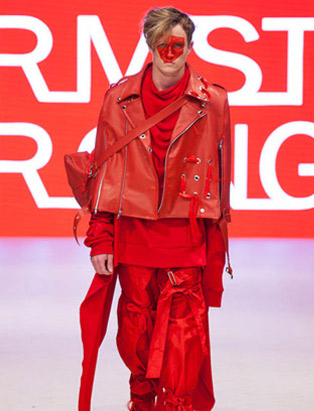
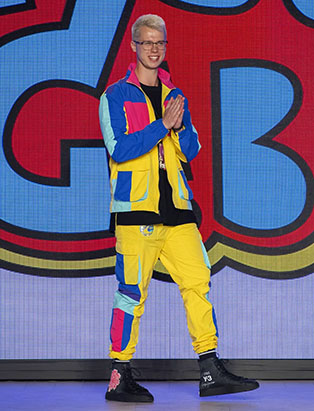
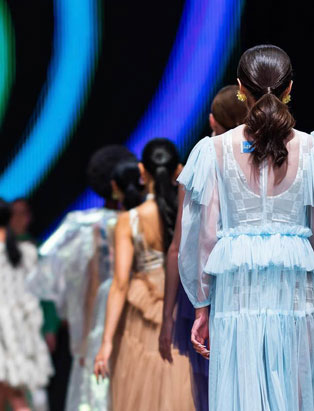
Our Graduate Fashion Show is a coveted couture event, and a celebrated ritual not just for Blanche Macdonald, but for the wider fashion community. This is where new designers are discovered, where bloggers and journalists and employers gather to witness the emergence of fashion’s new rising stars. This isn’t just any show. This is a professional event, produced by a team of industry experts, complete with a stunning venue, professional models, makeup and nail artists, hair stylists, fashion show producers, PR executives, media coverage, lights and music, awards and fanfare. This is your moment, your grand unveiling: the completion of your yearlong Design journey.
4. ONE-ON-ONE, HEAD TO HEAD, MENTORING WITH EXPERTS
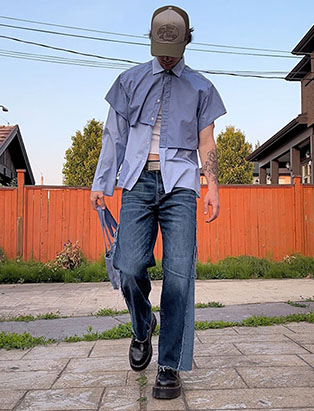
So often in a creative art school environment, critiques can be intimidating, soul-crushing affairs. Not here. At our college we encourage your unique voice and creative vision. And it shows. There are no cookie cutter designs coming out of these collections. Our graduates showcase an incredible diversity ranging from streetwear style and athletic gear, to avant garde handmade chainmail pieces and conceptual deconstructed garments, to over the top glamour and bridal wear. Throughout your program you will benefit from extensive one-on-one mentoring sessions with our incredibly talented instructors and Fashion Directors, who will give you candid feedback, but will also guide you and challenge you to fulfill your creative potential. They will meet you at every stage of your design process as you work toward the completion of your collection. This is a rare opportunity to delve deep into your designs, address challenges, dissect and deconstruct your ideas, discuss your dreams, and develop your design voice. These invaluable sessions – informed by direct feedback on your work – will become your greatest resource as you evolve into a Professional Designer.
5. FASHION WEEKS AND EXPOSURE FROM VANCOUVER TO TOKYO
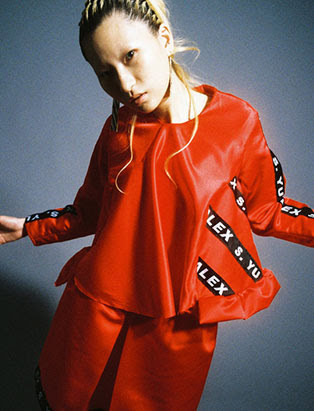
From Global Fashion Weeks to international press coverage, our students are being featured on the most exciting stages and pages of the fashion world. Our Fashion Design grads are regularly selected to showcase at Vancouver Fashion Week, including Evan Clayton, Alex S. Yu, Sara Armstrong and Kirsten Ley. These same Blanche Macdonald luminaries were invited to show at Tokyo Fashion Week. Many of our Design grads have received international media coverage in top publications including Flare, Fashion, Vogue UK, Elle UK and Vogue China. They are travelling the world to collaborate with high profile design houses, artistic agencies, renowned photographers and creative teams, bringing their enormous talent to all corners of the globe.
FASHION DESIGN
Full-time Diploma program (1080 hours)
One year, 3 days/week
Two years with Co-op Work Experience option available for International students.
There are two scheduling options to choose from:
- Mondays to Wednesdays
- Wednesdays to Fridays
For Canadian citizens and Permanent Residents of Canada: the lowest Tuition payment plan option is $19,900 for the entire program length. Canada Student Loan funding is available for those who qualify.
Note: we offer an optional and supplementary Basic Sewing Course to all applicants. Tuition is $780 + GST.
Following your program acceptance, the following fee payments totaling $1,400 (exclusive of tuition) are required on the day of enrollment:
1. A non-refundable registration fee of $250
2. An administrative fee of $575
3. An assessment fee of $575
Tuition Grants may be available for specific programs and start dates. Please ask your Admissions Advisor about any available Tuition Grants.
Class sizes are very limited. Early registration is required to guarantee a seat in a class.
To learn more about our various payment plan options and upcoming start dates, please fill out our info-request form or connect with your Admissions Advisor.
For more information, please download the applicable Tuition Schedule:
Making an Application is simple and easy. This is our way of getting to know you. Please fill out the Application form and then an Admissions Director will arrange a time to connect with you. This is a wonderful way for us to share information and insights about the program, the industry, career development, job opportunities, potential tuition grants and financial aid options. And this is our time to learn about you, what your career goals are, what you would like to achieve with your career training, what questions and concerns we can help you with. There is no enrolment deposit made until you have been formally accepted into the program. Please submit your Application here.
Meet the Experts
Featured Fashion Faculty
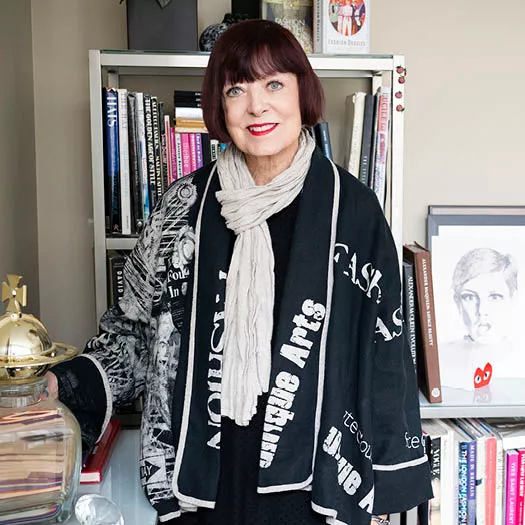
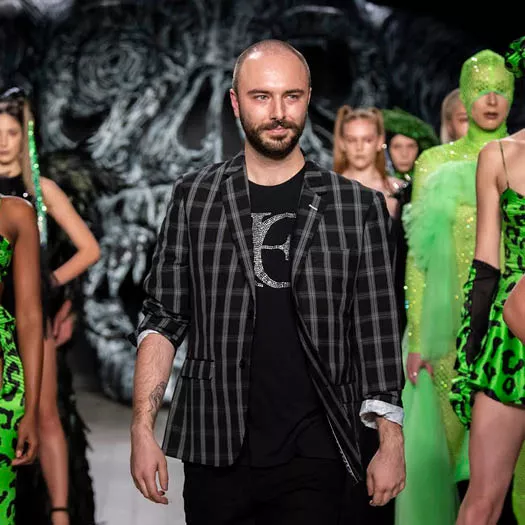
Charith Thennakoon
Program Manager - Fashion Department
Tais Rissi
Career Advisor
Featured Graduates and Stories
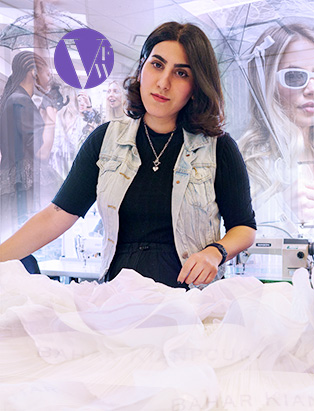
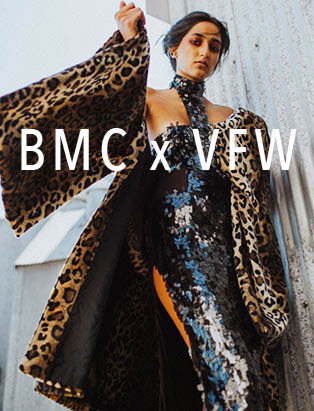
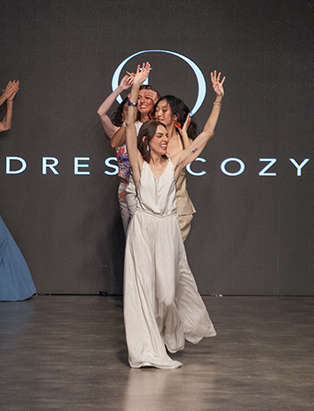
Blanche Grads Sujitha Shivajothi and Laila Aouinati's Runway Debut